


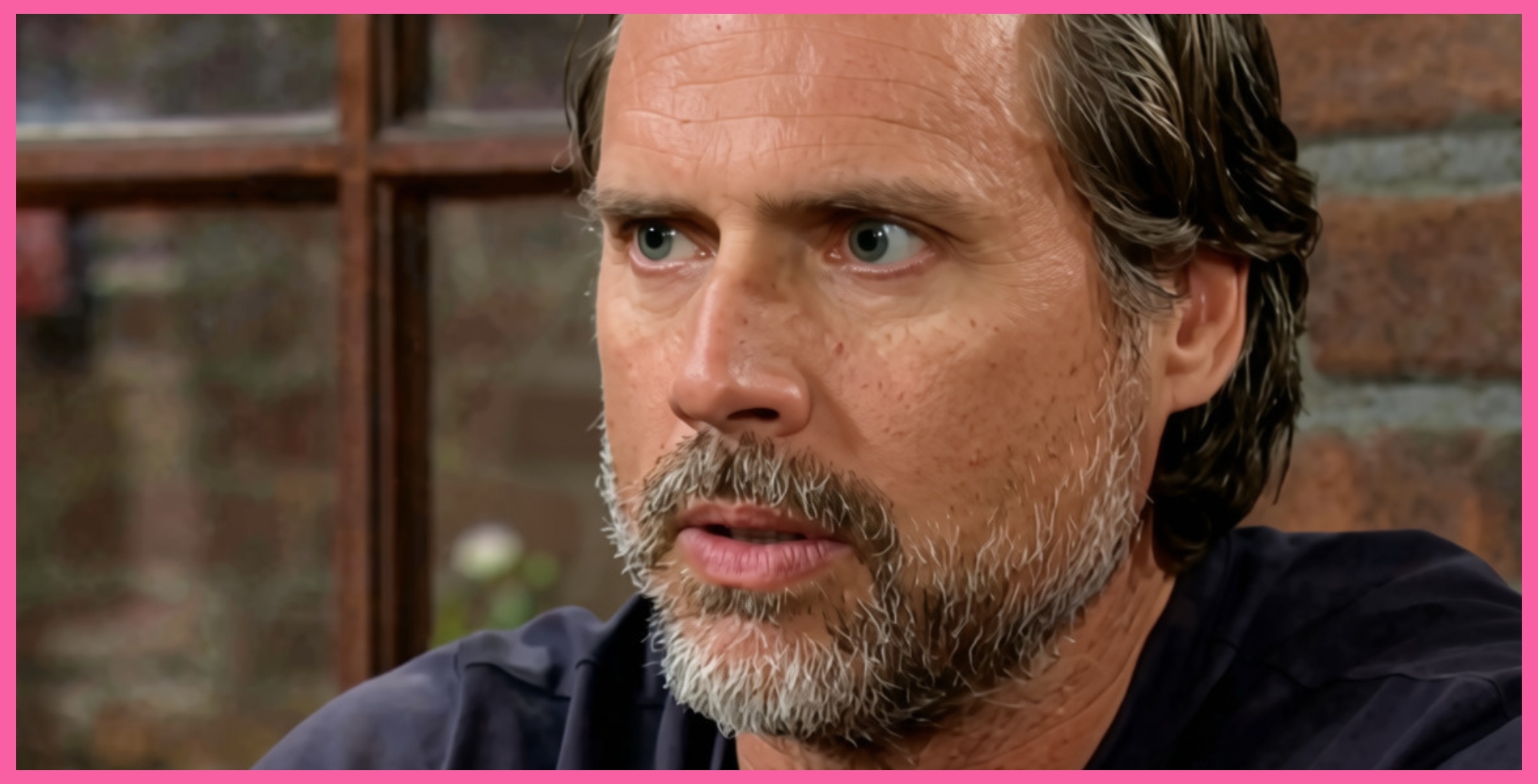
In the July 23 episode of The Young and the Restless, Nick’s biggest breakthrough wasn’t resisting temptation. It was accepting that recovery couldn’t depend on his determination anymore. The moment he admitted he needed rehab, his fight against addiction stopped being about willpower and started becoming about surrender.
Key Takeaways
- Nick’s decision to seek rehab marked an emotional turning point, not a moment of defeat.
- Accepting help became the first genuine step in his recovery.
- Nick can no longer fight addiction by trying to stay in control.
The Lie Nick Could No Longer Tell Himself
Nick (Joshua Morrow) spent much of the day trying to control everything around him. He confronted Phyllis (Michelle Stafford) about Matt (Roger Howarth), struggled with Victor (Eric Braeden, who revealed the scene that earned his Daytime Emmy nomination) shutting him out of Newman Enterprises, and wrestled with the devastating news about Nikki’s (Melody Thomas Scott) eyesight. Every frustration became another distraction from the battle he refused to fully acknowledge.
When Sharon (Sharon Case) finally asked what was really wrong, Nick admitted he couldn’t stop thinking about drugs. A dealer had already reached out, and he confessed that one more pill still sounded like the answer.
Nick admitted something he hadn’t been willing to say before: he needed rehab. Nick’s confession marked the moment he stopped pretending that determination alone would be enough to kick his pain pill habit.
Nick Finally Stops Mistaking Willpower for Recovery
Nick has always believed he could carry whatever life put in front of him. Whether protecting his family or solving the latest Newman crisis, his instinct has been to push harder and take responsibility himself. Addiction doesn’t reward that kind of thinking.
For months, Nick has approached recovery as another challenge he could overcome if he stayed disciplined enough. However, recovery isn’t about proving strength by handling everything alone. It’s about recognizing the moment when true strength requires accepting help instead.
That shift in thinking made Nick’s confession so significant. He didn’t surrender to addiction. He surrendered the illusion that he could beat it by himself.
Nick’s Real Recovery Begins With Surrender
Nick’s future is no longer defined by whether he wants to stay sober. He clearly does. The unavoidable consequence is that recovery now depends on whether he’s willing to trust other people with a fight he’s been trying to carry alone.
Nick’s admission to Sharon was his first real acknowledgment that healing requires more than resolve. Nick has spent all this time trying to regain control over his life. Ironically, his recovery didn’t truly begin until he accepted that control was no longer the answer.
