


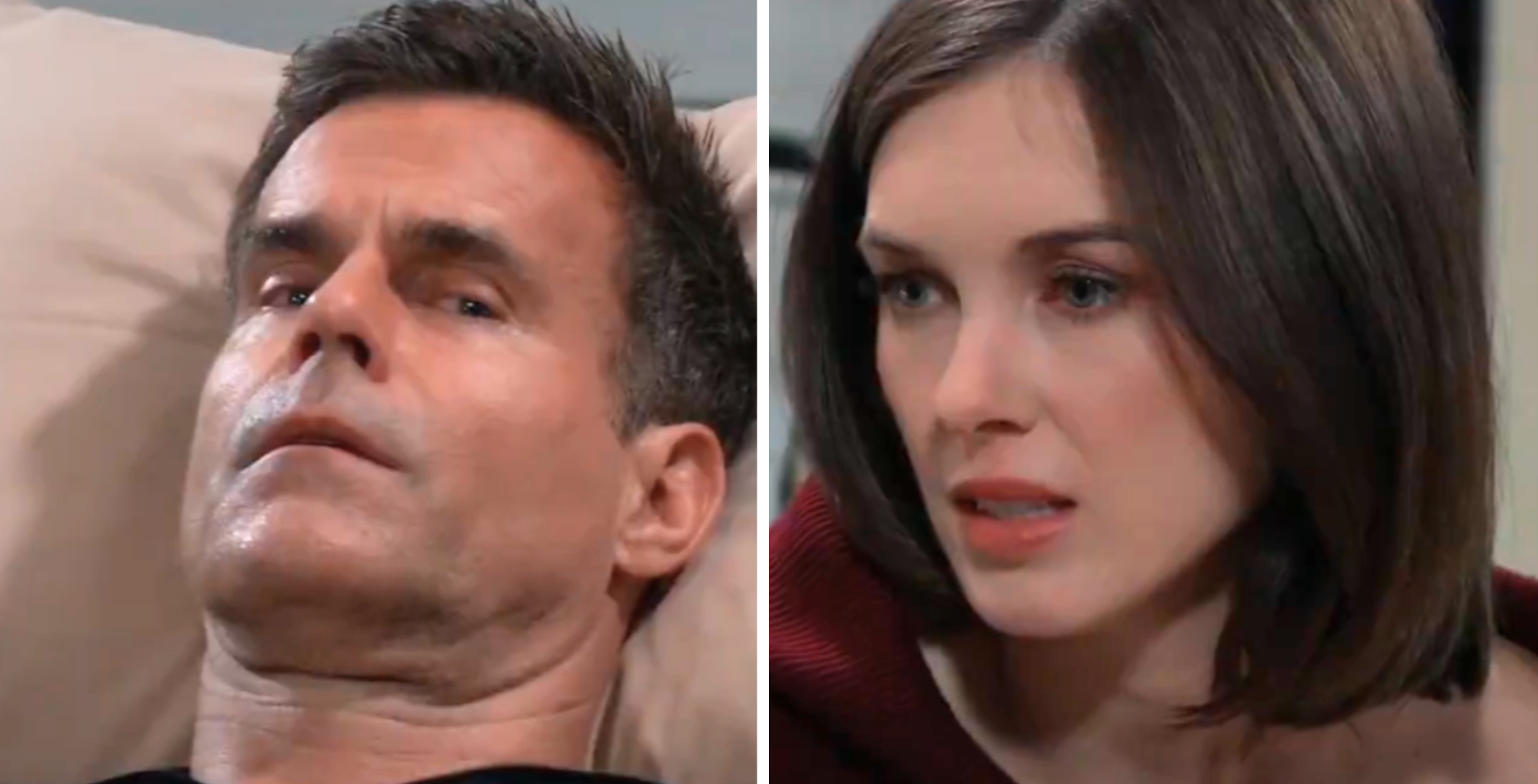
The February 5 episode of General Hospital ended with Willow bringing Drew home and telling him she shot him. Her voice was steady, her timing precise, and her body language calm enough to be unsettling. It wasn’t portrayed as regret or release, but as something she had already made peace with saying. That choice reshaped the story around her, and Katelyn MacMullen’s reflections afterward sounded less like cleanup and more like a clear-eyed look at how Willow’s sense of control gradually displaced everything else.
Key Takeaways
- Katelyn MacMullen framed Willow’s actions as pressure-driven, not cruel.
- Willow believes the confession was necessary, not cathartic.
- Fear, not pride, guided Willow’s decisions.
- Her goal shifted from killing Drew to keeping him incapacitated.
- Power and leverage mattered more to Willow than closure.
- Framing Michael was retaliatory, not meant to permanently destroy him.
Inside Willow’s Head
MacMullen spoke with Soap Opera Digest about the scene, focusing on Willow’s internal reasoning rather than the shock of the moment. She treated it as pressure-driven behavior rather than cruelty. When she said, “I think part of her is devastated that this is happening, or that it has to happen,” it framed the confession as something Willow believed she needed to do, not something meant to release emotion.
That sense of necessity carried through MacMullen’s description of Willow’s mental state, where pride never played a role, and fear led her, convincing her that Drew’s (Cameron Mathison) presence endangered everyone around her. Survival, in Willow’s view, outweighed sentiment, and that internal calculation never paused long enough for regret to set in.
When asked if Willow truly wanted Drew dead, MacMullen admitted her perspective had shifted over time, saying, “At first I thought she was doing all of this to try to kill him,” but explained that Willow’s goal had narrowed to something colder and more precise: keeping him incapacitated and contained rather than eliminating him altogether.
Control, Not Closure
With Drew unable to move or speak, Willow had achieved her primary goal: leverage. MacMullen framed that power imbalance as the focus rather than the confession itself. She described Willow as someone trying to stabilize her world before allowing anything to change again, believing she could decide when and how Drew would return to it.
This same logic extended to Willow’s decision to slip a key onto Michael’s (Rory Gibson) key ring during a custody meeting. MacMullen framed it as retaliatory but not fatalistic. Willow didn’t expect Michael to suffer lasting harm—just enough disruption to make things feel even. This belief was rooted in her sense that he would always be protected.
When asked if redemption was even possible after all this, MacMullen avoided certainty, saying, “What she’s gone through, I’m sure it’s going to change her,” leaving the rest open-ended. She acknowledged that GH has a long history of characters carrying dark backstories without tidy resolutions. Willow’s story, at least for now, remains in that same uneasy space—unresolved, watchful, and very much still in motion.


