


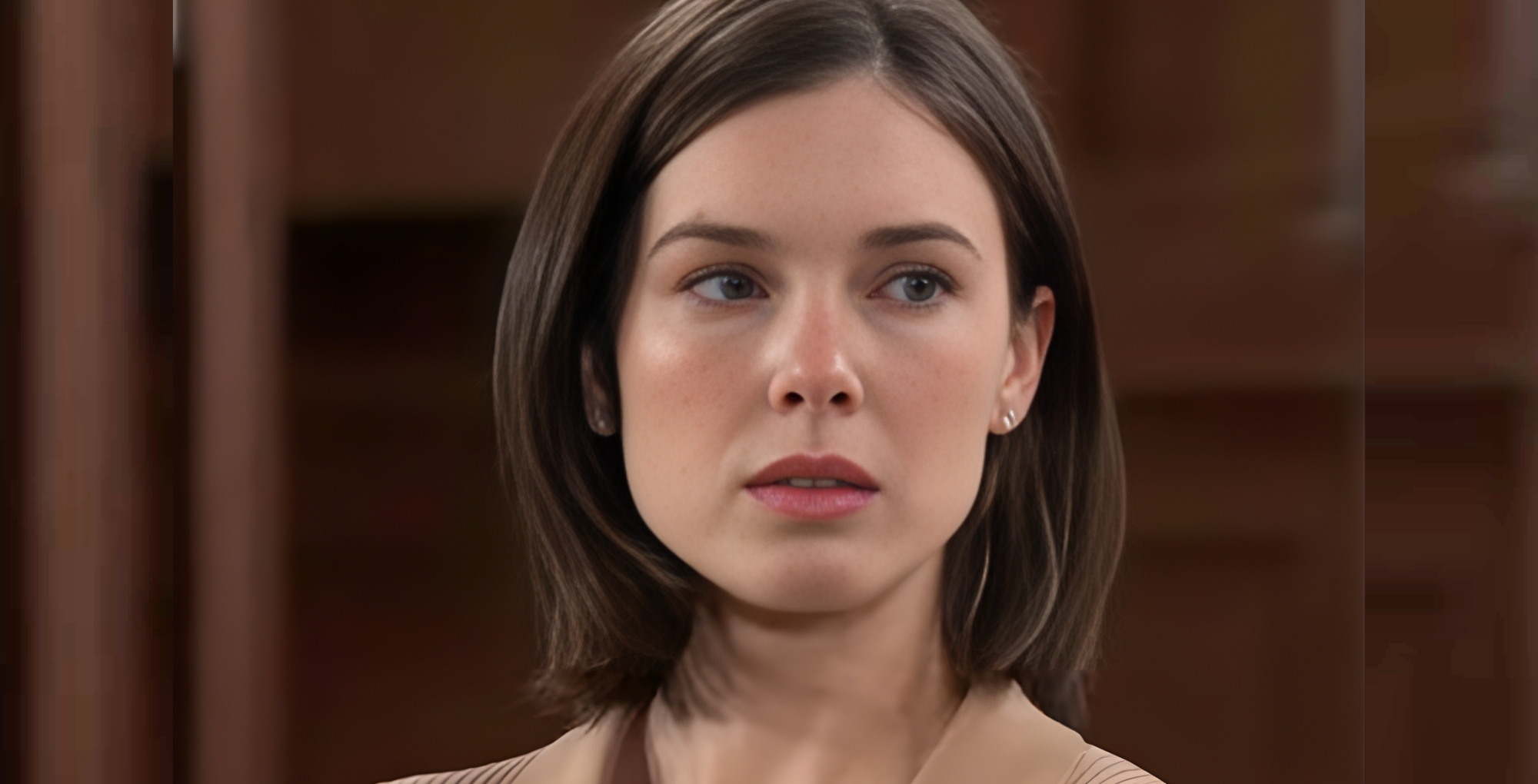
The mystery has finally been revealed. On the January 8 episode of General Hospital, Willow’s memory snapped into focus and showed that she was the one who shot Drew. No last-minute twist. No bait-and-switch. Just a revelation that felt unsettling because it made sense, and many viewers hoped for this twist. In a recent interview, head writers Elizabeth Korte and Chris Van Etten explained why the story could only end this way, and how long they’d been quietly steering toward it.
Key Takeaways
- Willow was always meant to be Drew’s shooter, with the groundwork laid over a year in advance.
- The story prioritized emotional consequence over shock twists or gimmicks.
- Michael’s absence and return were used deliberately to deepen pressure and misdirection.
- The reveal centers on Willow’s agency, not villainy or manipulation alone.
- Viewers who suspected Willow early weren’t misled; the mystery rewarded close attention.
The Long Game Was Always the Point
Korte and Van Etten spoke to Soap Opera Digest about how early the idea took root and why patience mattered. The shooting itself came late, but the emotional groundwork did not. As Van Etten put it, “The idea was hatched, really, around the time of Drew [Cameron Mathison] and Willow’s [Katelyn MacMullen] affair,” because that relationship cracked the family open and sent both characters down paths that couldn’t easily be undone.
From there, the show focused less on plotting mechanics and more on consequences. Once the affair exploded into the open, Korte noted that it became clear how many people would have legitimate reasons to turn on Drew, and how Willow’s alignment with him would change how the town saw her. The writers didn’t rush to a mystery. Instead, they let resentment build up, as well as letting lines blur. By spring, the shape of a whodunit emerged, but the summer was spent letting motives be considered instead of stacking clues like dominoes.
Michael’s (Rory Gibson) absence, then return, was part of that control. The writers held him back until he could function as both a source of emotional pressure and narrative misdirection, someone whose history with Willow and Drew made him an obvious suspect without ever needing to force the issue.
Why It Had to Be Willow
What surprised viewers least is what mattered most to the writers. Willow was always the answer. Van Etten recalled that once Korte said it out loud, the room locked in immediately, exclaiming, “When she said it, I was like, ‘Absolutely.’ To me, this was the culmination of a snowball effect on Willow.” Willow wasn’t just a random choice. She arrived there, piece by piece, until she was staring at the consequences of her own choices and had to act.
Korte framed the story around agency, not villainy. The question wasn’t whether Drew influenced Willow. It was about how much power she wanted to give Drew, and when that became too unbearable for her. Although it was a poor decision, the shooting represented her taking back her power from him.
As to crafting the whodunit, Van Etten explained, “The only way that a good mystery works is if you give the audience all the information and allow them to draw conclusions over the course of the time.” The writers marveled at how fan speculation spread out to several characters at first, and noted, “So those who thought it was Willow at the start and continue to think so will be rewarded.”
READ THIS: Take a peek at the shocking GH twists coming up.


