


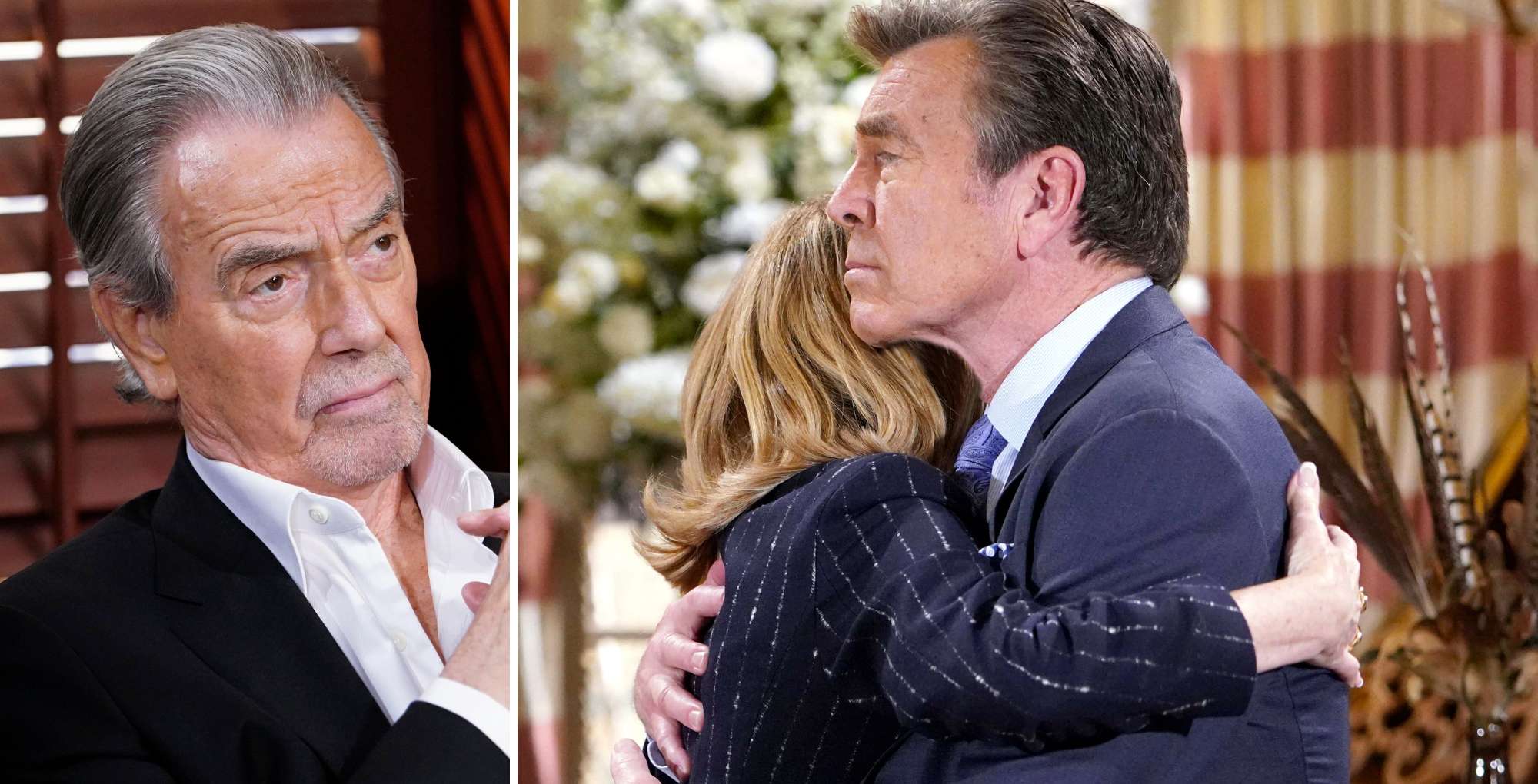
In the January 21 episode of The Young and the Restless, Victor’s corporate war crossed into deeply personal territory when he walked in on Jack and Nikki sharing a quiet, intimate moment, transforming business retaliation into something far more dangerous.
Key Takeaways
- Victor walked in on Jack and Nikki together and reframed the conflict as a personal betrayal.
- Jack and Nikki leaned on each other as Chancellor and Newman Enterprises unraveled.
- Victor’s silence signaled retaliation that would not remain professional.
What Happened on Y&R
Jack (Peter Bergman) arrived at the ranch to check on Nikki (Melody Thomas Scott), both still shaken by the fallout surrounding Matt Clark (Roger Howarth) and the devastation hitting Newman Enterprises. Their conversation wasn’t romantic by design, but it was deeply emotional, rooted in shared history, loss, and mutual concern. Nikki struggled with the possibility of losing Chancellor and the weight of feeling she’d failed Katherine’s legacy, while Jack offered quiet reassurance and presence.
The moment turned tender. They sat close. They embraced. It was comfort born of trust, not calculation. That context disappeared the instant Victor (Eric Braeden) walked in and took in the scene. He didn’t ask questions or demand explanations. He absorbed the image, let it harden, and left without a word. That silence marked the real turning point.
MORE: Will Chelsea and Adam get married?
Why It Matters for Victor’s War
For Victor, the fight stopped being about AI attacks, stolen leverage, or corporate survival. Seeing Jack beside Nikki reframed everything as personal betrayal, reopening wounds that never truly healed. In Victor’s mind, Jack crossed a line that had nothing to do with business and everything to do with territory Victor still believed was his.
Jack wasn’t scheming. He was showing up for someone he had loved for decades. Nikki wasn’t choosing sides; she was surviving a crisis. But Victor didn’t operate in nuance. He operated in absolutes, and once betrayal entered the equation, restraint vanished. From that moment forward, the war changed shape.
The Fallout
Victor’s refusal to confront Jack or Nikki in the moment spoke louder than any threat. It signaled strategy, not mercy. Jack and Nikki remained unaware that their private moment had shifted the battlefield, while Victor recalculated his next move with cold precision.
This wasn’t an explosion. It was the pause before one. And when Victor struck next, it would no longer be about reclaiming power — it would be about settling something deeply personal.


