


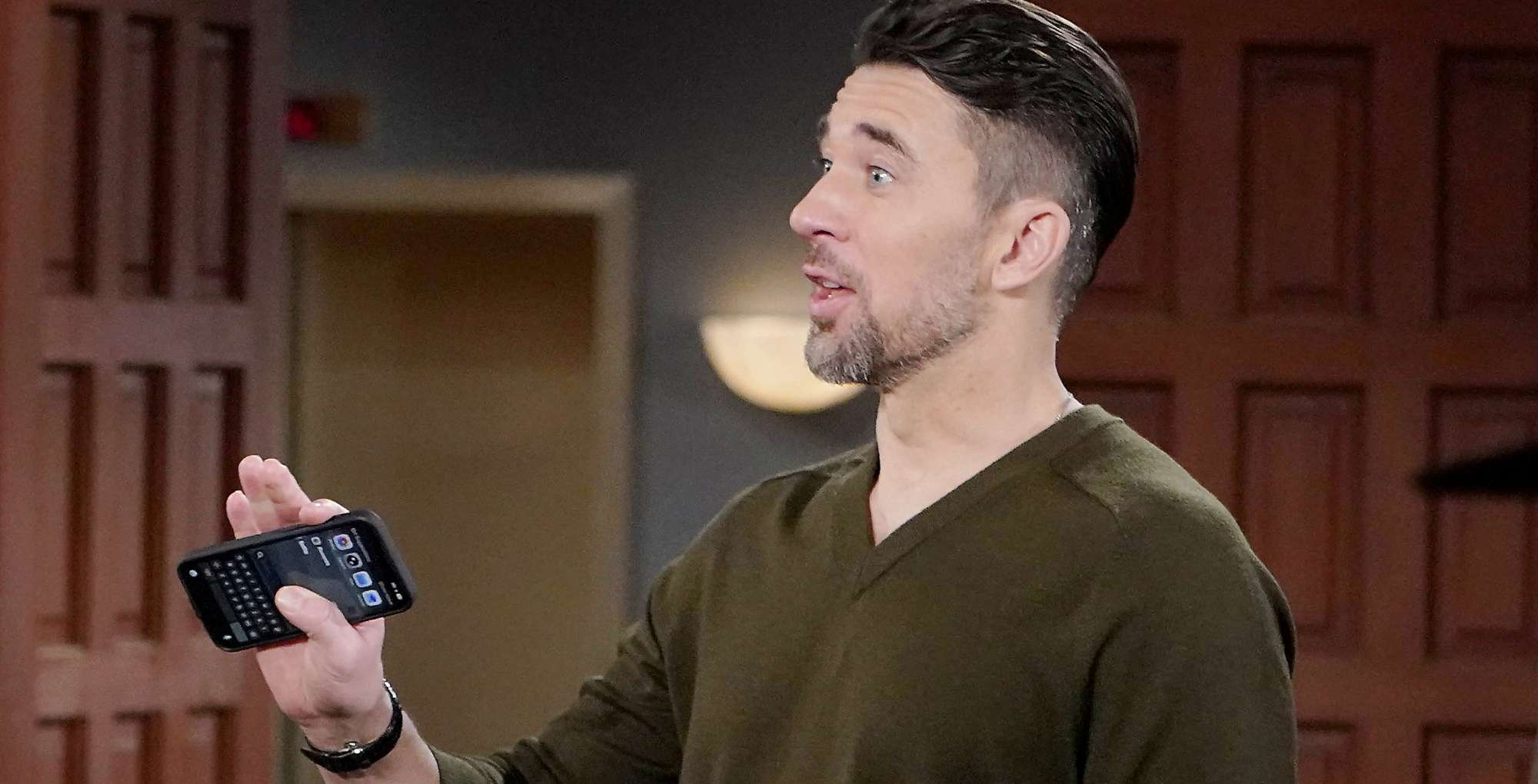
In the February 9 episode of The Young and the Restless, Victor finally forced Cane into a corner by presenting “proof” that Lily and the twins were in danger — a move that pushed Cane to the brink and set the terms of Victor’s victory. What mattered wasn’t whether the kidnapping was real, but that Cane believed it was. That belief changed the power balance, fractured alliances, and revealed just how far Victor was willing to go to reclaim control.
Key Takeaways
- Victor used fear, not force, to regain leverage over Cane.
- Cane folded once Lily and the twins were put at risk.
- Sharon’s guilt over Mariah deepened as consequences spread outward.
What Happened: Victor Tightened the Trap
Victor (Eric Braeden) summoned his family back to the ranch after receiving confirmation that his pressure campaign had worked. By showing a photo of Lily (Christel Khalil) and the twins to Cane (Billy Flynn), Victor created the illusion of control — enough to convince Cane that resistance was no longer an option.
Cane had demanded proof that his family was safe, and Victor provided just enough to force a decision. Whether the image was staged or authentic didn’t matter. Cane believed Victor had crossed a line, and that belief alone was enough to break his resolve. He agreed to give Victor what he wanted, so long as Lily and the twins were released unharmed.
Why It Matters: Lily Became the Leverage Point
Lily was the emotional fault line in Victor’s strategy. Victor insisted she had agreed to the plan, framing the situation as a calculated lesson for Cane rather than an act of cruelty. That explanation rang hollow — even to Nikki (Melody Thomas Scott) — but it worked where it counted.
Cane’s power had always been rooted in logic and control. Victor attacked the one place Cane couldn’t protect himself: his family. By turning Lily into the bargaining chip, Victor didn’t just reclaim leverage — he forced Cane to abandon every principle he claimed to stand for.
The Fallout: Cane Lost the Upper Hand
Cane walked into the ranch believing he still had leverage. He walked out knowing he didn’t. Once Victor produced proof that Lily and the twins were in his orbit, the fight was effectively over. Cane’s rage didn’t matter. His principles didn’t matter. His plans didn’t matter.
Victor didn’t need Cane’s consent — he needed Cane’s fear. By forcing Cane to choose between his company and his family, Victor ensured the outcome favored him either way. Cane’s agreement wasn’t a surrender of assets; it was a surrender of agency.
The fallout was immediate and lasting. Cane may regain his family, but he lost control of the board. Victor reclaimed power not through force, but through psychological dominance — the kind that lingers long after the deal is done.


