


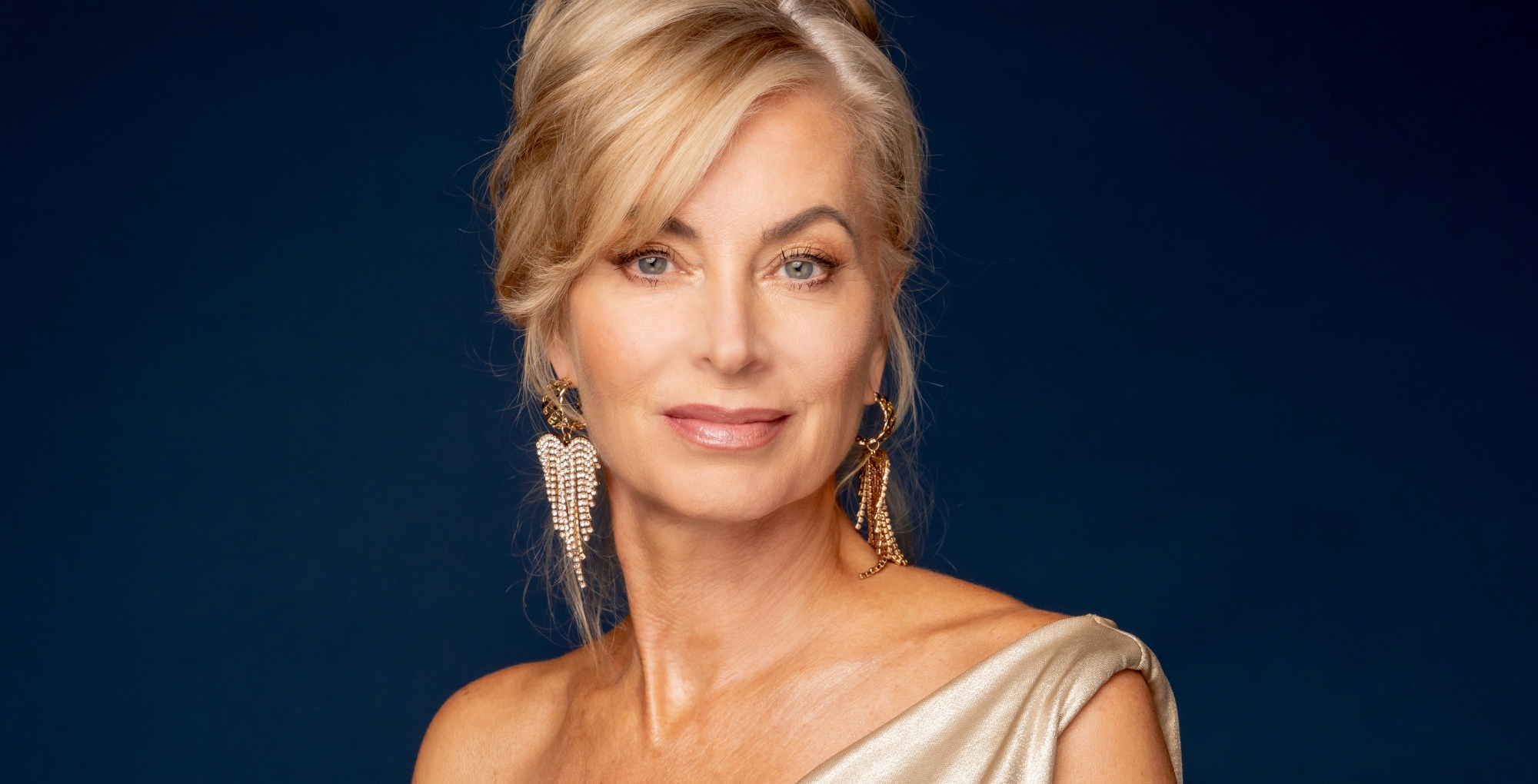
Eileen Davidson had an extensive The Young and the Restless storyline to comb through while compiling her Daytime Emmy reel. In an interview with Soap Opera Digest, the actress opened up about the “community effort” that went into her narrowing down which clips to choose from Ashley Abbott’s dissociative identity disorder (DID) arc. From Ashley’s struggle to obtain a diagnosis to the rallying of her family around her, there was much to consider in highlighting the work Davidson put into her character’s journey.
Key Takeaways
- Why Eileen Davidson had a harder time putting together her Daytime Emmy reel this go-round.
- How the star’s family and friends pitched in to help.
- The significance and seriousness of having a character with DID.
A Wealth Of Material To Choose From
Ashley Abbott’s (Davidson) mental health crisis in 2024 was not the first time the character’s emotional and physical well-being was under threat by her mind. However, she was on the road to facing a diagnosis that she couldn’t have ever prepared for when she began to present with DID.
The length of the storyline, paired with the amount of material Davidson had to work with, made it difficult for the actress to decide how best to represent her work in the Daytime Emmy reel that would ultimately secure her a nomination for Outstanding Lead Actress. Speaking to the magazine, Davidson shared what she was initially thinking while narrowing down scenes to include:
I felt like I was supposed to go with that stuff that was kind of more colorful, and there was a lot of it. I had one week where I had literally 80 pages of dialogue, and I know there was some good stuff in there, but I couldn’t remember what, exactly. So it was a community effort with Matt [Kane] and a couple other people at work trying to help me remember scenes I’d done. I asked Beth Maitland [Traci]. I kind of went back and forth with putting some more of the big personalities in there, and then I just kind of stayed very simple with it.
The simplicity the star is referring to is the reel’s focus on only one of Ashley’s three alters—the femme fatale Ms. Abbott—and scenes with the Abbott family trying to help her as Ashley fears they believe she’s losing her sanity. It also includes the moment Ashley realizes she’s having a break with her brother Jack (Peter Bergman) there to witness it.
Feedback, including the opinions of her husband, son, and niece, provided Davidson with the perspective she needed to focus on the emotional moments that resonated. Those memorable scenes often depict how a character’s family or loved ones react to or navigate what’s happening to them. Some of the best work is done one-on-one or in a small gathering, where there is a raw and real feeling of love in the form of intervention, confrontation, or support, which can all occur within the same scene.
The Story Beyond The Nomination
DID is a condition that’s not well known by the general public outside of film and TV portrayals that often sensationalize the lived experience of people who have this disorder. Davidson and Y&R’s EP and Head Writer Josh Griffith have both noted the research that went into constructing the storyline. But there isn’t a cure for DID, so now that Ashley has been diagnosed, it’s a reality that the story must contend with, even if it’s rarely spoken of on the soap.
Davidson was nominated for the breadth of work she put into portraying Ashley’s alters and her realization that her life had changed without warning. But with her character now having DID, she’s the sole representation of this serious condition on TV. People with the disorder, who have diverse lives and come from varying backgrounds, are understandably wary of the direction storylines like hers take and how they can turn into stigmatizing villain arcs.
Y&R has stopped focusing on Ashley’s DID now, but it will likely resurface down the road. The stewards of the soap have the opportunity not only to create interesting, mindful storytelling around it but also to help de-stigmatize the condition. This can be done with drama, but hopefully not with the kind that harms the real-life individuals who live with this disorder every day and could use better representation of it in the media.


